
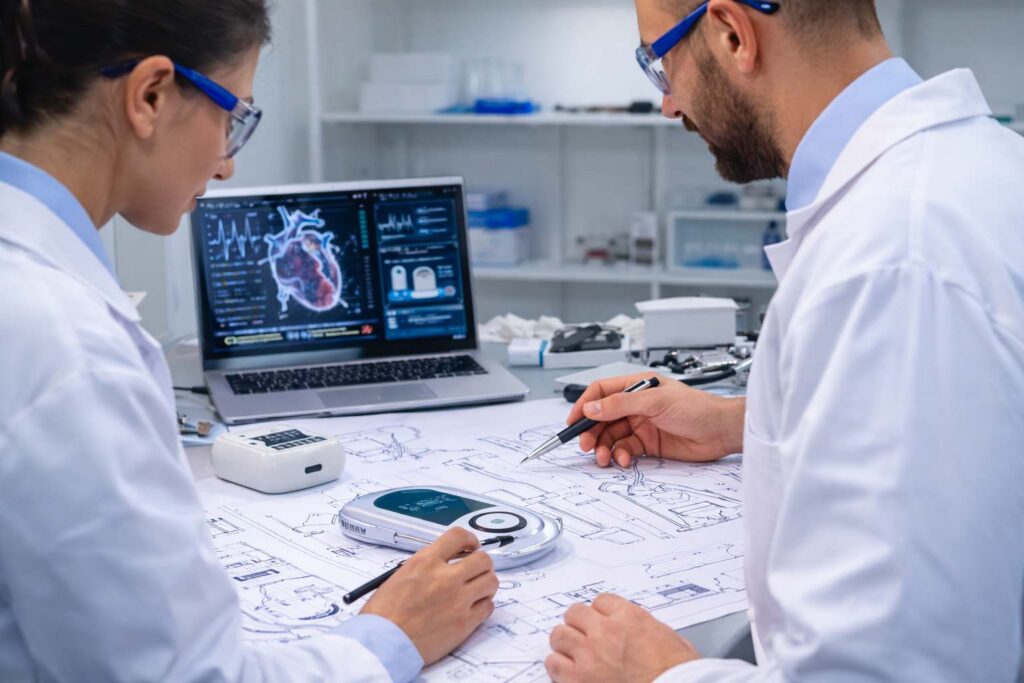
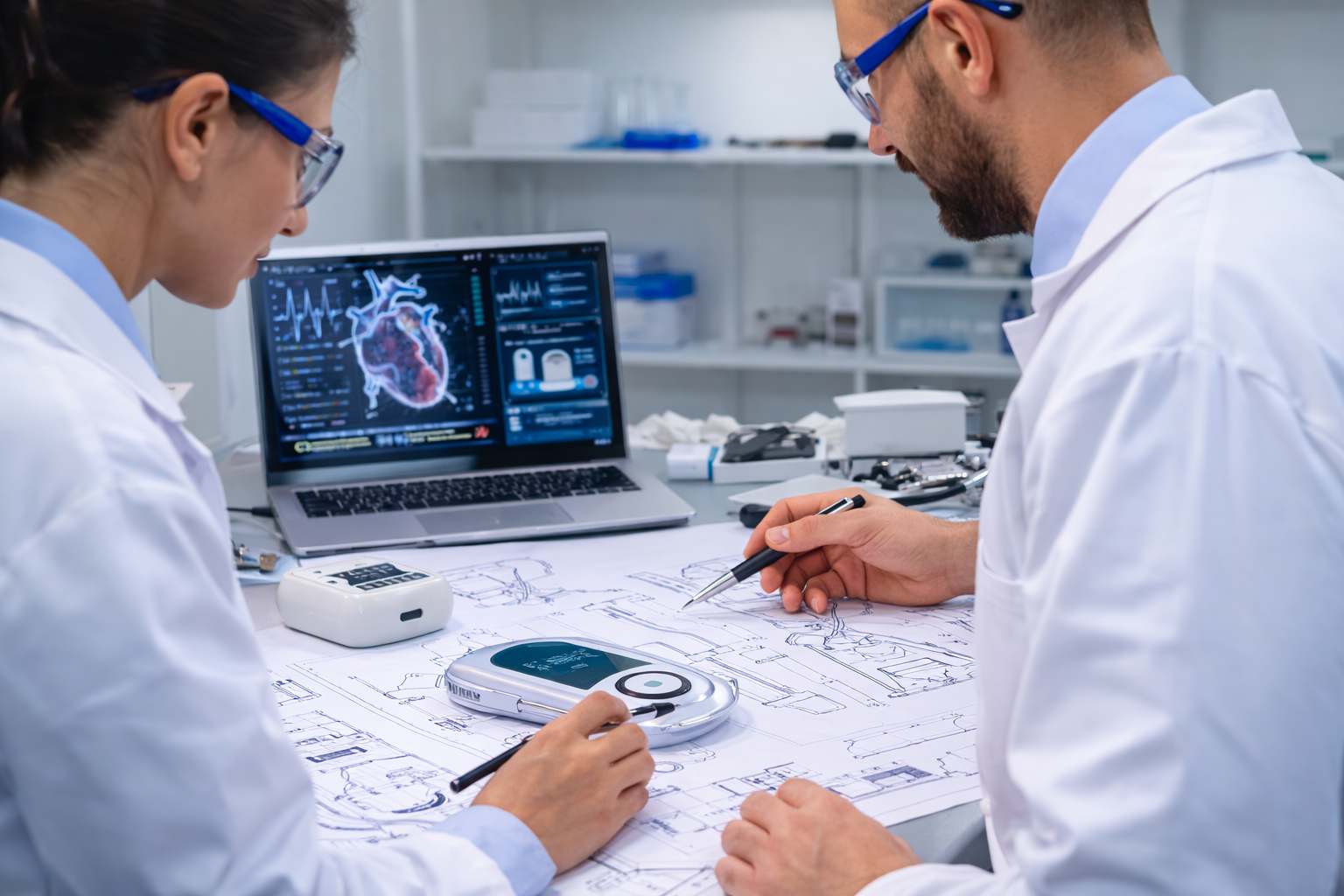
Turning a promising medical device concept into a functional product requires more than creating a physical model. A prototype should help answer critical engineering questions, uncover design risks, evaluate performance, and guide the next stage of development.
EEA Innovations provides medical device prototyping services that help MedTech companies move from early concepts to functional, testable designs. Our multidisciplinary approach connects prototyping with engineering, software, verification, regulatory planning, and manufacturing readiness so that each prototype supports the broader medical device development process.
Prototyping can help your team evaluate technical feasibility, test form, fit, and function, identify engineering challenges earlier, refine product requirements, assess user interaction, explore materials and manufacturing approaches, and prepare the design for verification and validation.
Whether you are evaluating an early proof of concept, refining an existing design, or preparing a device for verification, EEA Innovations can help turn your idea into a prototype that moves development forward.
Different stages of product development require different types of prototypes. EEA Innovations supports prototype development based on what your team needs to learn, demonstrate, or evaluate at each stage.
Early proof-of-concept prototypes help determine whether the fundamental idea behind a medical device is technically achievable. They can evaluate core mechanisms, system architecture, sensing concepts, physical interactions, or other critical assumptions before a complete product design is developed.
Functional prototypes are developed to behave more like the intended product and allow teams to evaluate how important features perform together. Depending on the device, this may include mechanical components, electronics, software, sensors, interfaces, or integrated subsystems.
Mechanical prototypes help evaluate device geometry, component fit, mechanical interfaces, assemblies, enclosures, moving components, tolerances, ergonomics, and material considerations before production.
For multidisciplinary devices, prototypes can integrate electronics, sensors, controls, mechanical systems, and embedded functionality so teams can evaluate system interactions earlier in development.
Usability-focused prototypes help evaluate how clinicians, patients, technicians, or other intended users interact with a device, including handling, controls, interfaces, workflow, ergonomics, and potential use-related challenges.
As a design becomes more mature, prototypes can be used to evaluate performance before formal design verification begins, exposing design weaknesses while there is still time to refine the product.
For devices that incorporate software or embedded functionality, EEA can coordinate prototype development with its medical device software development services so hardware and software can be evaluated as part of the complete system.
Medical devices are different from ordinary consumer products because technical development ultimately needs to support safety, effectiveness, risk management, design controls, and regulatory requirements.
That means regulatory thinking should not begin only after the prototype is finished. EEA Innovations integrates development decisions with regulatory and quality considerations throughout the product lifecycle.
During prototype development, this broader perspective can help teams consider intended use and user needs, design inputs, technical requirements, risk management, usability considerations, verification strategy, traceability, future documentation needs, and manufacturing requirements.
For teams preparing for regulated markets, EEA can connect prototype development with medical device regulatory consulting and broader commercialization planning.
EEA Innovations follows an engineering-led prototyping process that connects prototype development with the overall medical device lifecycle.
The process starts by defining what the prototype needs to prove, then moves through feasibility, design, build, testing, and refinement. As the design stabilizes, the focus shifts from experimentation toward documented verification and validation and manufacturing readiness.

We review intended use, user needs, product requirements, technical constraints, product architecture, risk considerations, development stage, and regulatory objectives so the prototype answers the right questions.
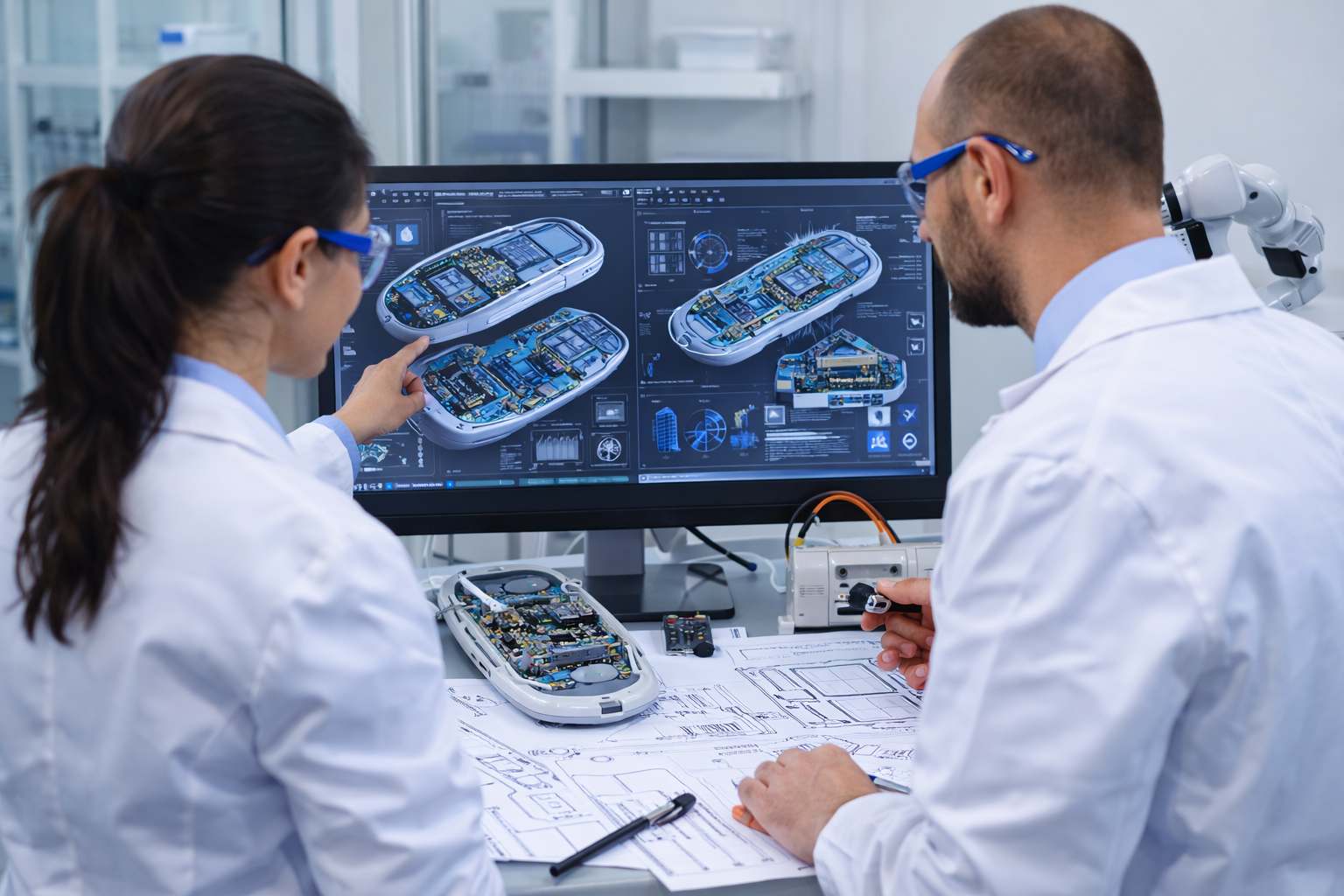
The team evaluates whether the proposed design and technologies can realistically achieve the required performance, including mechanics, electronics, software, materials, interfaces, and manufacturing approaches.
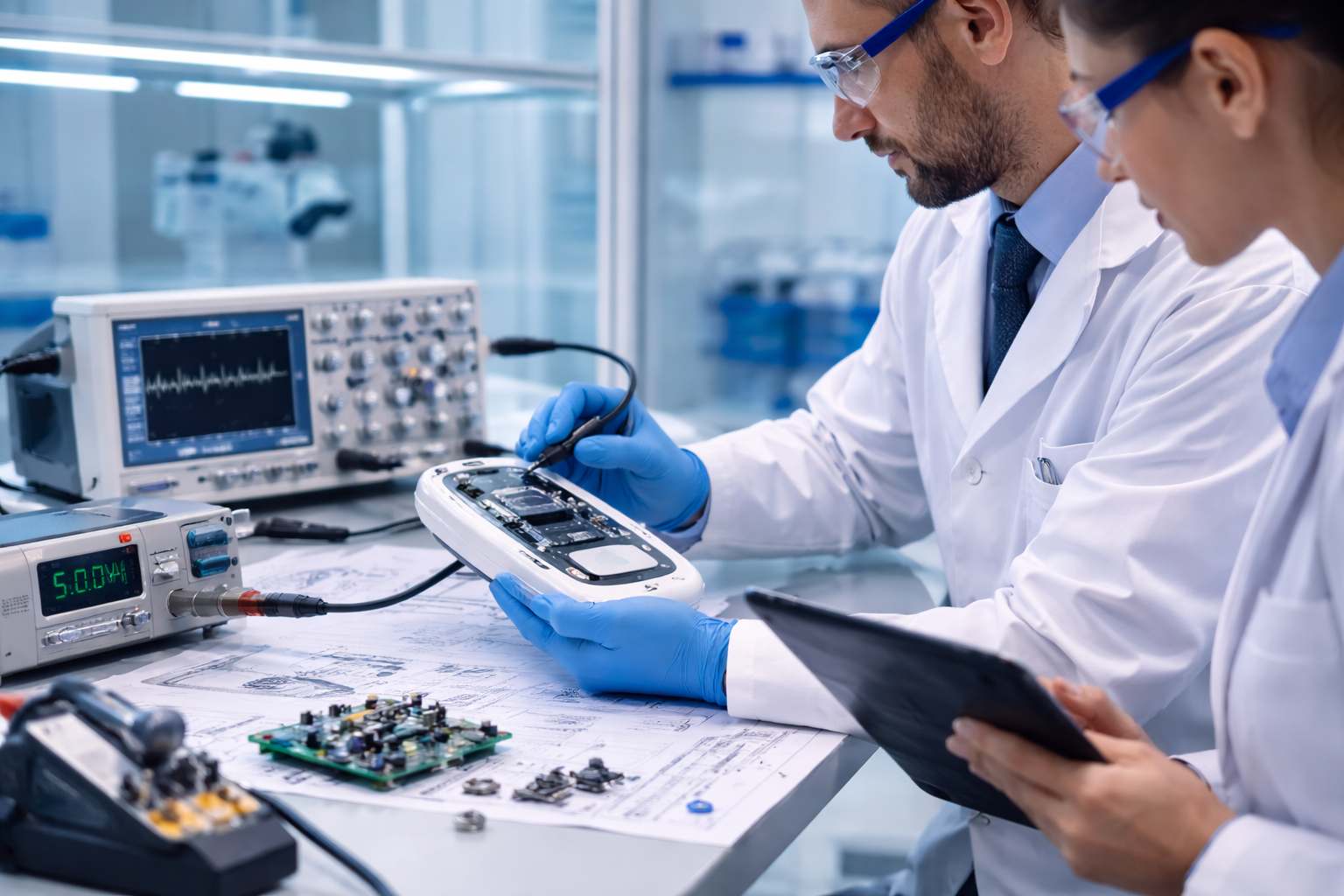
The concept is translated into a prototype-ready design. An early proof of concept may be simplified, while a functional prototype may require significantly more mature engineering.

The prototype is built using methods appropriate to its purpose, geometry, materials, functionality, and stage of development, with specialist manufacturing capabilities involved where needed.
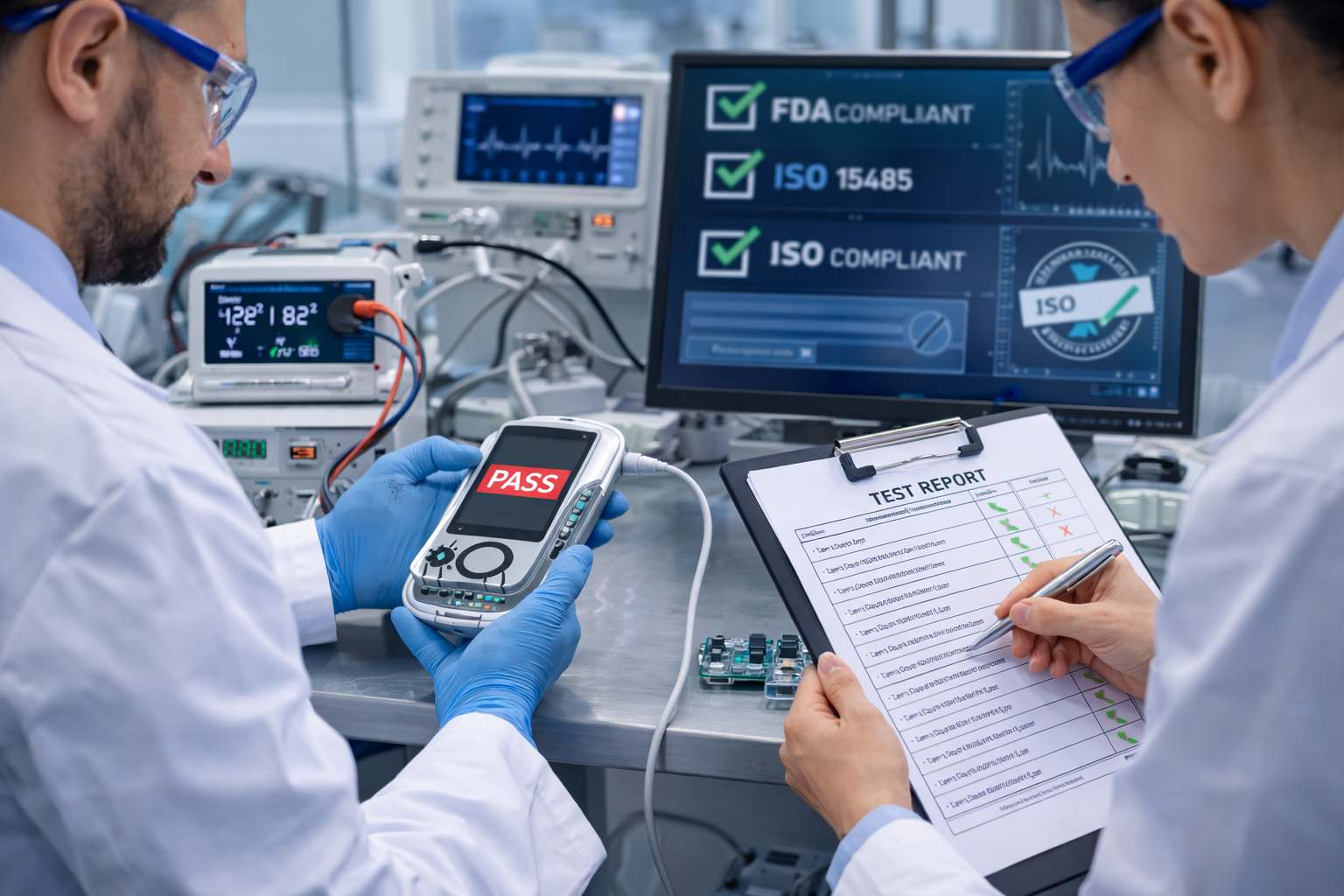
The prototype is evaluated for functional performance, mechanical behavior, fit and assembly, system interaction, usability, failure conditions, and the design assumptions it was created to test.
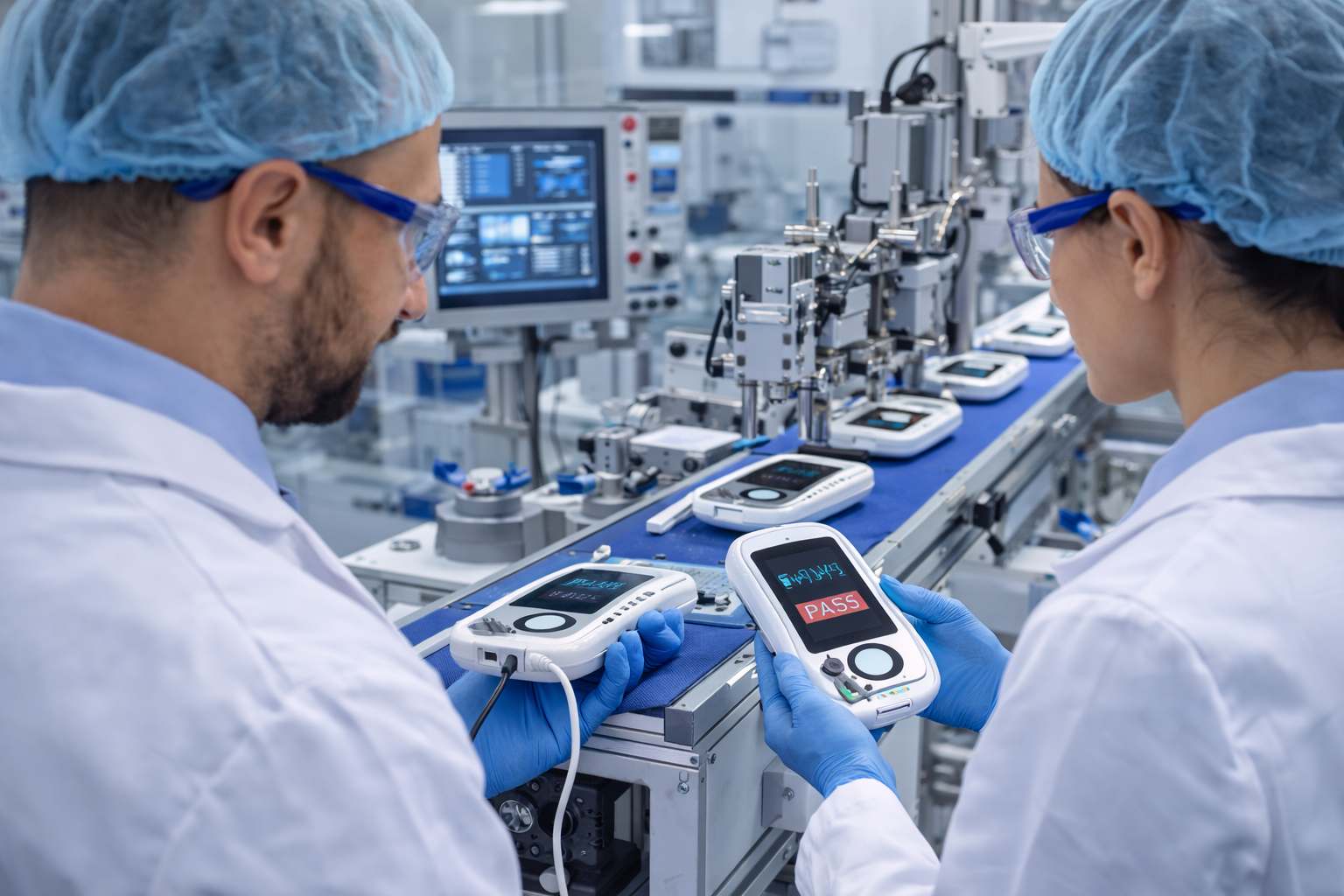
Prototype findings are used to improve components, mechanisms, interfaces, software and hardware interactions, then prepare the design for formal verification, design transfer, and manufacturing readiness.
There is no single type of medical device prototype that works for every stage of development.
The prototype should be designed around the question your team needs to answer, from early concept exploration to preparation for formal verification.

Building the prototype is only part of the development process. Prototype evaluation can reveal issues that may not have been obvious in CAD models or specifications. EEA can evaluate functional performance, mechanical behavior, form and fit, system integration, usability, and design weaknesses, then use those findings to guide the next design iteration.

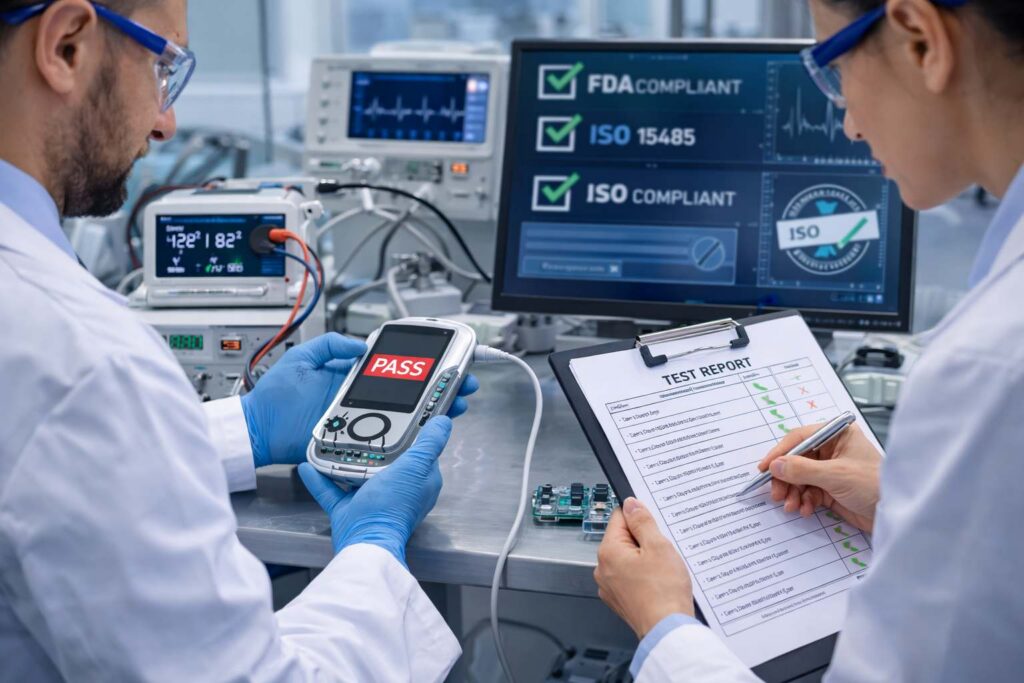
When formal or specialized testing is required, EEA Innovations can support V&V planning and coordinate appropriate third-party laboratory testing for areas such as biocompatibility, sterilization, packaging, cleaning validation, and electronics or EMC safety testing as part of the broader development program.
A prototype may work successfully but still be difficult, expensive, or impractical to manufacture at scale.
Considering manufacturability during development can reduce the risk of discovering those problems after the design has already matured. EEA Innovations incorporates design-for-manufacturing considerations into development and can support the transition from prototype development into design transfer, supplier qualification, process validation, and commercialization.
This helps create a more continuous path from concept → prototype → refined design → verification → manufacturing.
Modern medical devices frequently combine several engineering disciplines within the same product. A single device may involve mechanical components, sensors, electronics, software, user interfaces, imaging technologies, automation, or connected systems.
EEA Innovations brings these disciplines together so prototype decisions can be evaluated at the system level rather than in isolation. The specific prototyping approach is defined around the product’s intended use, technical requirements, risk profile, and stage of development.
EEA Innovations focuses on regulated medical technologies rather than general consumer product development. Our multidisciplinary approach connects prototype development with engineering, software, risk management, verification, regulatory planning, and manufacturing readiness.
That continuity helps reduce handoffs and allows prototype findings to feed directly into the next stage of product development.
A successful prototype is an important milestone, but it is not the final product. Moving from prototype to market requires progressively greater control over design requirements, risk, testing, documentation, manufacturing, and regulatory compliance.
Concept & Feasibility → Medical Device Prototyping → Engineering & Design Refinement → Verification & Validation → Regulatory Submission → Design Transfer & Manufacturing → Commercialization
For companies that need broader support beyond a single development stage, EEA also provides turnkey medical device development services from concept through commercialization.
Medical device prototyping is the process of creating an early physical or functional version of a medical device so that engineering concepts, functionality, usability, system integration, and other design assumptions can be evaluated before the product moves further into development.
Depending on project requirements and development stage, EEA can support proof-of-concept models, engineering prototypes, mechanical prototypes, functional prototypes, software-integrated prototypes, usability-focused prototypes, and later-stage prototypes used to prepare a design for verification.
Prototyping can begin very early in development. Early prototypes may be used to evaluate feasibility or fundamental technical concepts, while more mature prototypes can support system integration, usability evaluation, engineering testing, and preparation for formal verification.
A proof of concept is typically created to determine whether a fundamental idea or technical principle can work. A functional prototype is more developed and incorporates enough of the intended product behavior to evaluate how important features, components, or systems perform together.
Yes. Prototype evaluation is most valuable when the findings are used to improve the product. EEA can support iterative engineering and design refinement based on functional, mechanical, usability, integration, or other prototype findings.
Yes. EEA's broader medical device development services include design-for-manufacturing considerations, design transfer, supplier qualification, process validation, manufacturing readiness, and commercialization support.
EEA Innovations combines medical device engineering, prototyping, software, regulatory strategy, verification, and manufacturing experience to help transform promising concepts into testable, scalable medical technologies.