Developing software for a medical device is fundamentally different from building a conventional digital product.
Requirements must be clearly defined and traceable. Software risks need to be considered alongside the risks of the complete medical device. Architecture, testing, documentation, configuration management, and design changes must all be handled within a structured development lifecycle.
EEA Innovations helps US medical device companies navigate this complexity by integrating software development into the broader product development process.
Our work can support new medical technologies at the concept stage, existing products requiring new software capabilities, and established companies that need additional specialized engineering expertise.
From embedded software and SaMD to medical imaging, AI-enabled systems, integration, and verification, EEA Innovations supports the software needs of regulated medical devices throughout the development lifecycle.
We develop software that operates within or directly interacts with medical device hardware, electronics, sensors, controls, and other system components. Our approach considers the complete device rather than treating software as an isolated layer.
EEA Innovations can support development from early product definition through architecture, implementation, testing, and validation, translating intended use and product requirements into a structured software development process.
We help define system boundaries, interfaces, software components, data flows, requirements, and technical constraints before development becomes unnecessarily complex.
EEA Innovations supports medical imaging technologies requiring software, image processing, device integration, workflow design, performance testing, and integration with larger diagnostic, surgical, or clinical systems.
We help integrate AI capabilities into structured medical device development programs while maintaining focus on system requirements, technical feasibility, product risk, testing, and performance.
We support integration between software and electronics, sensors, mechanical systems, user interfaces, external devices, imaging systems, and other product components.
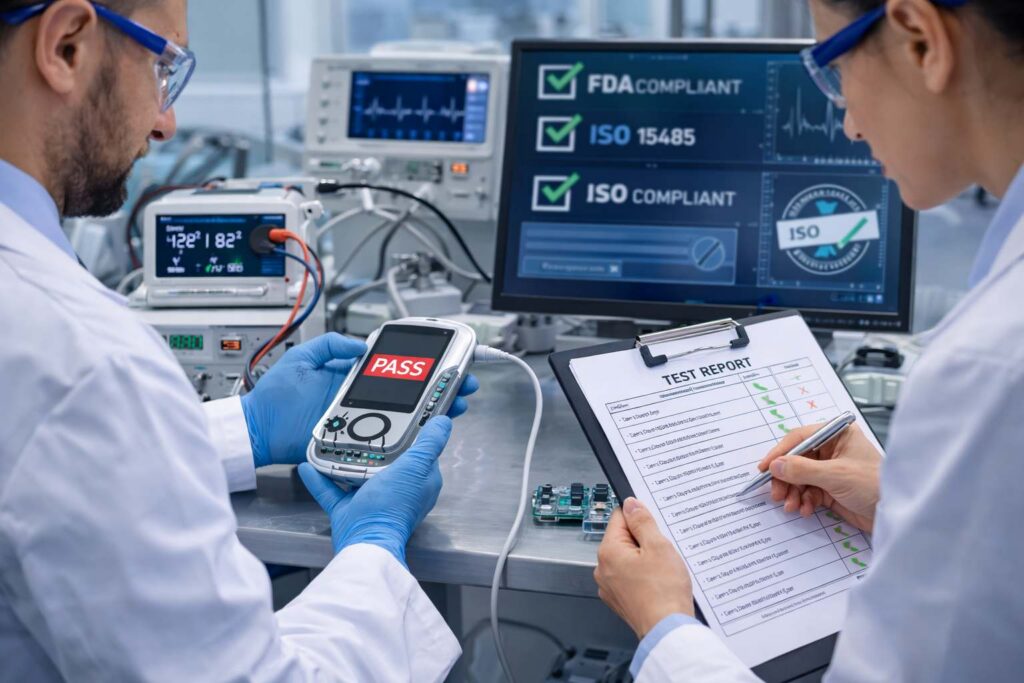
We support requirements-based verification, functional testing, integration testing, risk-based testing, traceability, and validation activities needed to demonstrate that software performs as intended.
IEC 62304 provides a lifecycle framework for developing and maintaining medical device software.
For US medical technology companies developing regulated products, incorporating appropriate software lifecycle processes from the beginning can significantly reduce problems later in development.
EEA Innovations supports software development aligned with IEC 62304 principles, including software planning, requirements definition, architecture, implementation, verification, risk-related activities, configuration management, maintenance considerations, and lifecycle documentation.
Rather than adding compliance documentation after software has already been built, our goal is to integrate the required development discipline into the engineering process itself.
That approach helps create software that is easier to verify, easier to maintain, and better prepared for the broader medical device commercialization process.
Launching a medical technology in the United States requires development decisions to be made with the intended market in mind from an early stage.
Software requirements, design controls, risk management, verification and validation, documentation, cybersecurity considerations, quality processes, and overall system performance can all influence the path toward commercialization.
EEA Innovations works with companies developing products for the US market to connect software engineering decisions with the broader medical device development strategy.
This integrated approach can help avoid developing technically functional software first and only later discovering that the development history, documentation, testing strategy, or product architecture requires substantial rework.

Development begins by understanding the medical need, intended use, users, product requirements, technical constraints, and major risks. Early feasibility helps determine whether the proposed architecture and overall system approach are practical.
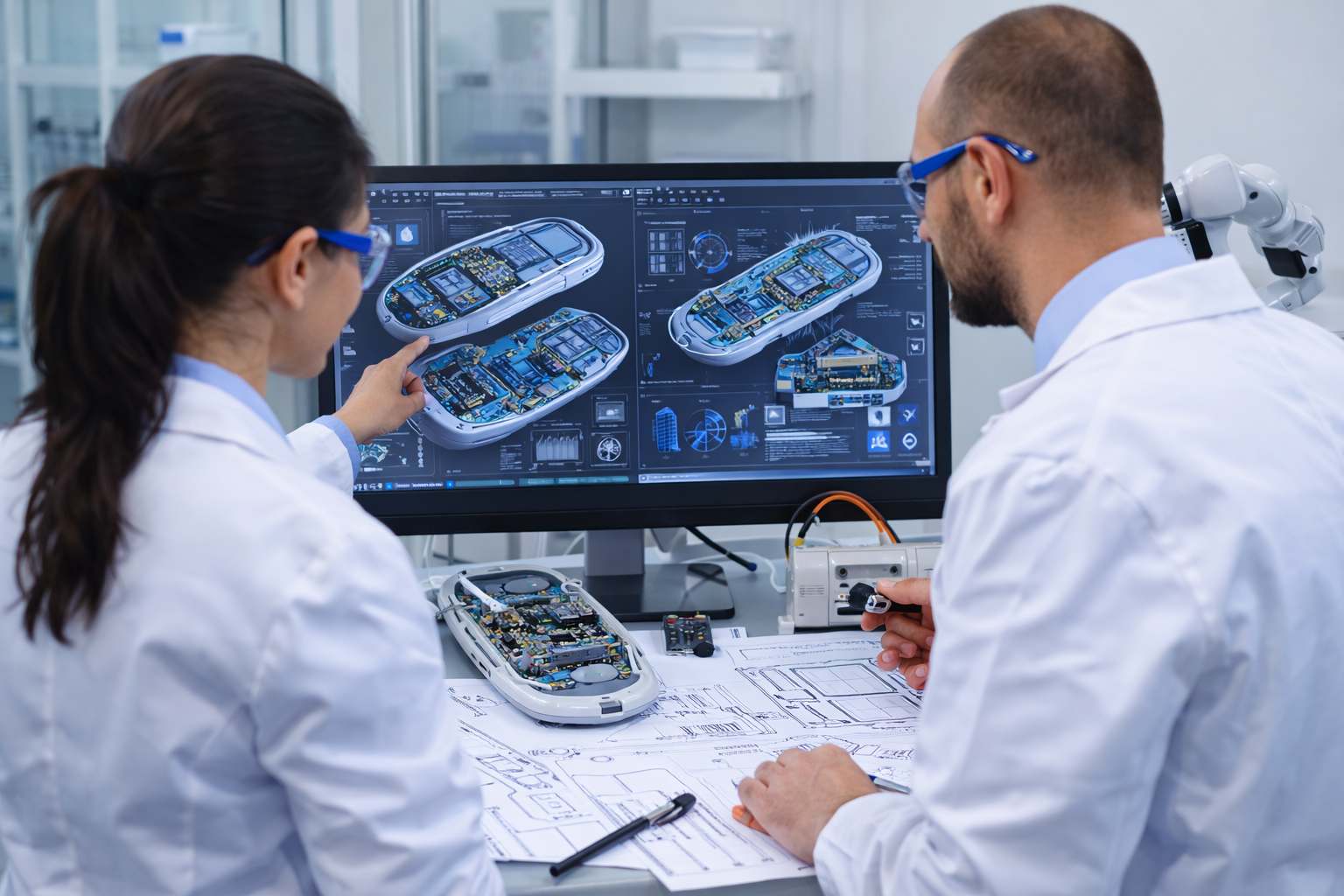
We translate product objectives into structured software and system requirements around functionality, interfaces, data flow, hardware interactions, risk controls, and expected product lifecycle.
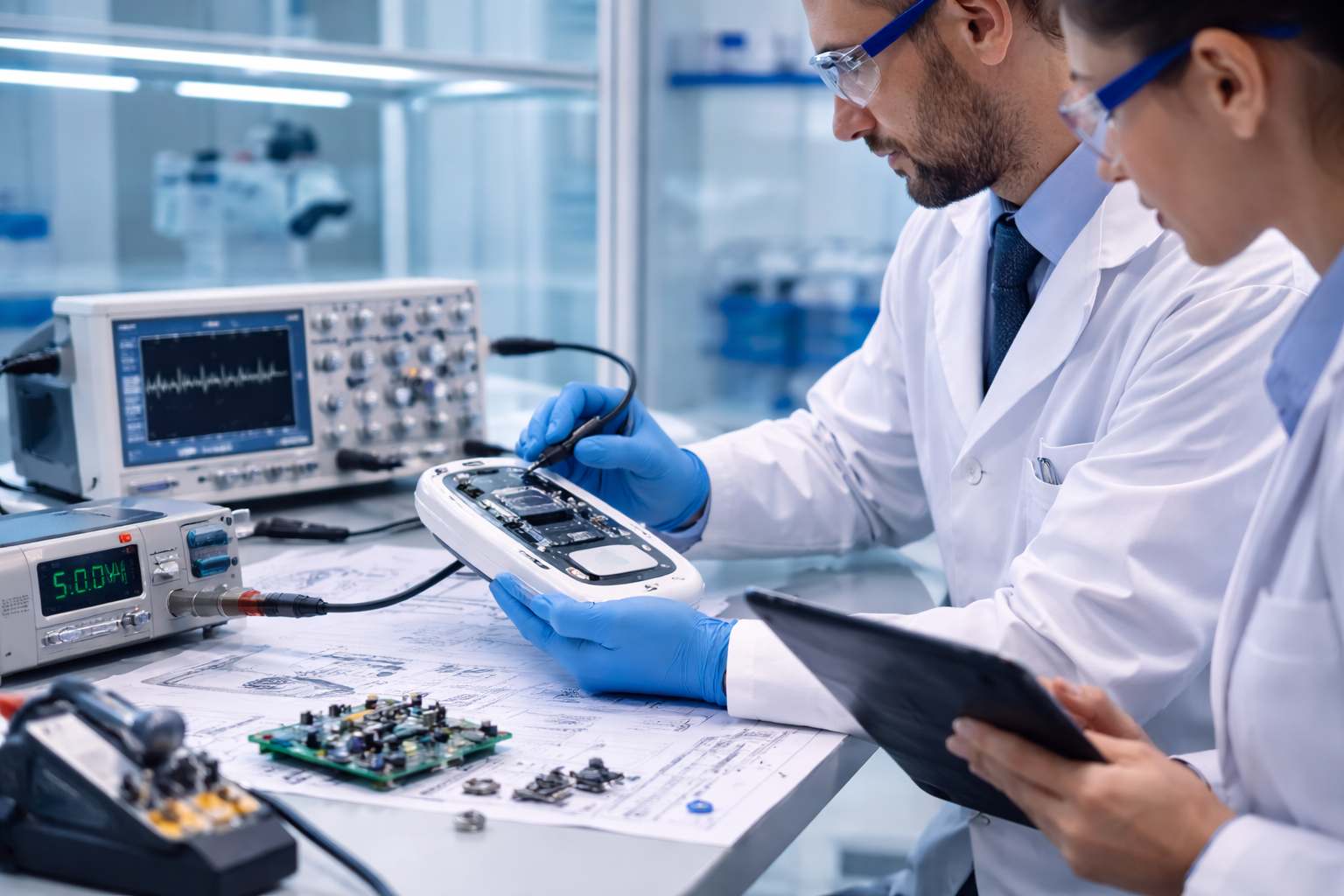
Our engineers develop software within a defined process that keeps requirements, implementation, documentation, and testing aligned.
Integration is addressed throughout development so software behavior can be evaluated within the real medical device system rather than only in isolation.
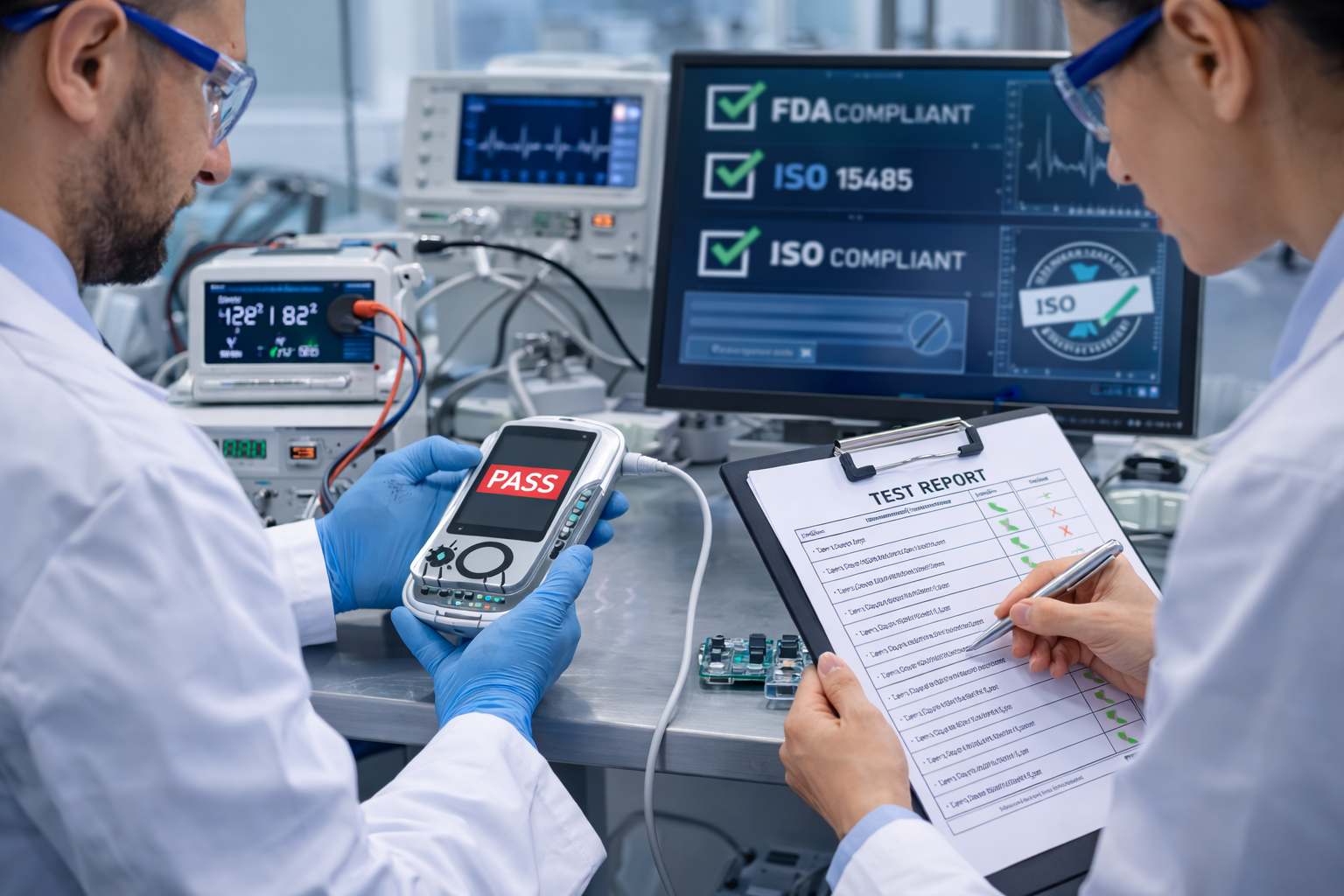
Software is tested against defined requirements, while broader validation activities help determine whether the final product supports its intended users and intended use.
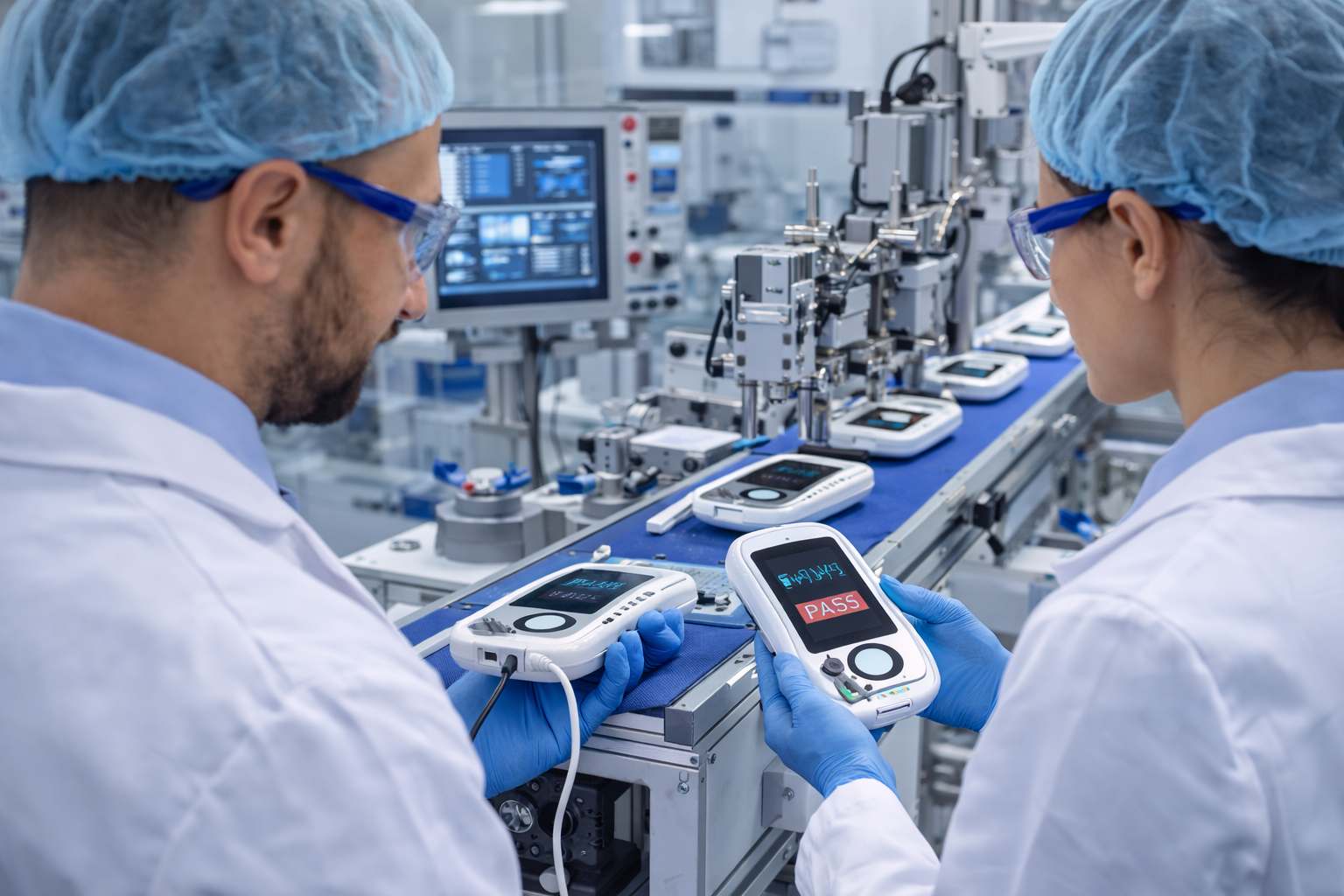
EEA Innovations can support the transition toward manufacturing, commercialization, and the next stage of the product lifecycle.
Our multidisciplinary capabilities allow us to support a wide range of medical technologies.
The exact development approach depends on intended use, risk profile, product architecture, technical requirements, and commercialization strategy.

For a MedTech startup, software development decisions made early in the product lifecycle can have a major impact on development time, cost, regulatory strategy, and future scalability. EEA Innovations can work with startups that have an initial medical device concept, research-stage technology, early prototype, proof of concept, or existing product architecture that needs to be developed into a more mature medical technology.

Established manufacturers and MedTech companies may require specialized software expertise without expanding their permanent internal engineering teams. EEA Innovations can support new products, new capabilities, hardware and software integration, product generation updates, verification activities, and additional engineering capacity during critical development stages.
One of the biggest advantages of an integrated development model is that software decisions can be evaluated in the context of the entire product.
A change in software may affect electronics, mechanical components, user interactions, risk controls, testing, manufacturing, or product documentation.
EEA Innovations brings together software development with mechanical engineering, electronics, product design, testing, risk management, quality considerations, and commercialization support.
This allows teams to address system-level challenges earlier and develop a more cohesive medical product.
EEA Innovations supports medical device startups, manufacturers, healthcare technology companies, and product development teams throughout the United States.
We can collaborate remotely with teams in established MedTech markets such as California, Massachusetts, Minnesota, New Jersey, New York, Texas, North Carolina, Pennsylvania, Florida, and other locations across the country.
Whether you need complete medical device software development or specialized engineering support within an existing program, our team can adapt to the technical and commercial stage of your product.
Medical device software development covers the design, architecture, implementation, integration, testing, documentation, and maintenance considerations required to develop software used within or as a medical device. Because the software may affect patient safety or device performance, development typically requires more structured lifecycle, risk management, verification, and documentation processes than conventional software projects.
Yes. EEA Innovations works with MedTech companies and product teams serving the US market and can support medical device software projects from early feasibility through development, testing, and commercialization.
IEC 62304 is an international standard that defines software lifecycle processes for medical device software. It covers areas such as development planning, requirements, architecture, implementation, verification, configuration management, maintenance, and software risk-related activities.
Yes. EEA Innovations can support Software as a Medical Device projects as well as software integrated into physical medical devices. The development approach depends on the intended use, functionality, risk profile, system architecture, and commercialization requirements of the product.
Yes. We can support embedded medical device software that interacts with electronics, sensors, controls, and other hardware components. Because our capabilities extend beyond software engineering, embedded development can be coordinated with the broader device design.
Yes. We can support startups at different stages, from feasibility and early prototypes through structured product development, testing, and preparation for commercialization.
Yes. Our capabilities include AI, medical imaging, automation, and medical device development. AI-enabled projects are evaluated according to the intended application, system requirements, technical feasibility, and overall medical device development strategy.
Yes. Software and hardware integration is an important part of many medical device projects. Our multidisciplinary team can support software alongside electronics, mechanical systems, sensors, interfaces, and other product components.
Yes. EEA Innovations can support requirements-based verification, functional and integration testing, traceability, risk-based testing, and validation activities as part of the broader development process.
Yes. Depending on the project, EEA Innovations can support development beyond software engineering, including product development, testing, quality and regulatory considerations, design transfer, manufacturing support, and commercialization planning.
EEA Innovations helps US MedTech companies move from concept and software architecture through development, integration, verification, validation, and commercialization.